

The Perfect Trio: Discovering the Ultimate Seafood, Steak, and Wine Combinations
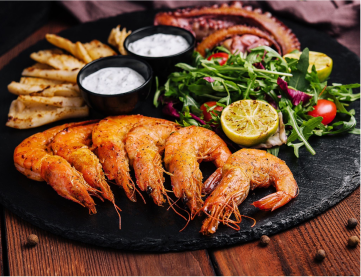
You know that feeling when you sip wine, take a bite of food, and it all just clicks? It is as if the flavors had been dancing together all along. That is what ideal pairing is all about – fostering those awe-inspiring moments ,and taking your dinner from average to thrilling. Neyvine lives for those matches. After years of testing (someone has to do it, right?!), we have boiled wine pairing down to three rules anyone can learn. Learn these rules, and be prepared for everyone to come to you for wine advice!
Start with the Basics – Match Strength
Wine pairing is like that dance you are dying to learn; all you need is a partner with similar weight (flavor strength) to perfectly fit together in a dance. If you serve a delicate wallflower wine with a loud, assertive dish, like for instance, the seafood parramatta, the wine is lost. If you serve a bold, He-Man wine with delicate food, that is all you are going to taste – alcohol!
Let’s take grilled barramundi for example. This fish can taste lovely and provide a subtle flavor nuance that can easily be bludgeoned by a heavy red wine. But think about it with a well-balanced structure of a Chardonnay? That’s a different conversation to have. The oak and richness of the wine builds it to match with the char from the grill but also respects the natural sweetness of the fish.
Let’s consider lobster too from a fresh seafood restaurant.This seafood provides a different scenario – all that butter and richness of the lobster is defining, and requires some muscle from the wine. A Viognier allows lots of viscosity and heaviness to mimic the lobster’s sheer richness and butteriness but also allows the lobster flavor to shine through as its delicate flavor should not be relegated to the dark corners of a glass of wine.
But when you are serving a serious piece of beef egg- like the real deal type of beef that cost a lot of money and melts in your mouth like butter – don’t ruin your experience with anything resembling a weak bottling of wine! Grab that massive full-bodied Shiraz with beautiful dark fruit flavors and solid tannin to cut through that marbling.
Where most people go wrong is that they lose site of everything but ‘protein.’ But the sauce? The herbs? The method? It’s all in the package.
A classic example? Spaghetti and marinara. How foundational is that – pasta and tomatoes. But tomatoes have real acidity. You drink a nice rich, buttery Chardonnay, and you have an argument that is bordering on repulsion. What you would want here is Sangiovese – an acid driven wine that would give the tomatoes acidity without drowning it out.
Or what about scallops? Seared scallops with lemon butter. The scallops are sweet and delicate, but the demi glace has brightness and acidity. This completely changes things.
Now, all of a sudden you need to find a wine that can stand up to citrus – and there it is, Sauvignon Blanc, a crisp, zesty wine, your lemon.
Lesson learned? Take into account everything on the plate before selecting your wine. That sauce could be ahead of you in a way you did not anticipate.
Swaying Flavors the Push and Pull
Best pairings are about balance – not simply finding flavors that echo one another like for like, but rather, contrasting flavors that allow both the wine and the food to shine brighter. You want to use acidity as your secret weapon. Acids from a wine will cut rich fatty foods like a knife cuts through butter, and clean the palate ready for the next bite of food.
This is why Sauvignon Blanc is delicious with cream-based dishes. The brightness of the wine cuts through the richness and fatness in the food, preventing palate fatigue and allowing every bite to be as exciting, fresh and pleasurable as the first.
Now don’t forget the sweet trap; there are scores of people who think that sweet wine just pairs with a sweet dessert and call it a day. Not so much. If the wine is as sweet as the dessert the wine will taste flat and boring. You just want just enough contention so that things don’t become boring.
And then there are oysters – nature’s perfect pairing food. Their mineral, briny essence practically begs for something crisp and clean. This is why Chablis and Champagne have been companions of oysters for hundreds of years. The wine’s acidity and minerality mimics the flavor of the sea while being the perfect refreshing counterpoint.

Putting it all together
Wine pairing does not have to involve memorizing charts or strict rules. It is about taking the basic principles and trusting your own palate. The most gratifying part, is that once you understand the basic principles, you will be able to develop your own pairing instincts quickly, and the three concepts we discussed (matching intensity, thinking about the whole dish, and balancing flavors) is a great starting point.
There is no shame in being “wrong”, because a ‘mistake’ is just a learning opportunity. And at Neyvine, the best seafood platter restaurant, we are all about exploration. Our team experiences the wines first hand and we love to refer you to something that you weren’t just surprised by, but something that delighted you. We need to remind ourselves that the whole purpose of this is to help one another enjoy great foods, and of course better yet, great, great wines.
So anyway, when it comes time to plan your dinner, not just any bottle of wine will do. Be mindful of what you are eating, as well as balance and intensity to really enjoy some very nice meals. Trust me, once you start consciously pairing products together you’ll never select a bottle randomly again.

Steak Nations: Where People Are Mad About Their Meaty Plates


